Source recyclable collapsible ointment tube for Cosmetics Medicine Food
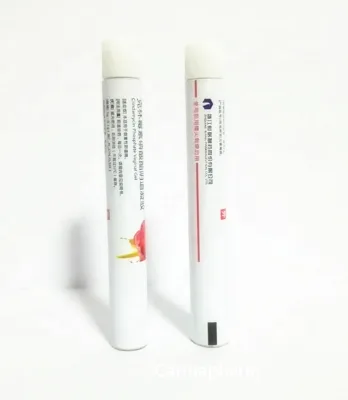
Compare 30 listings of recyclable collapsible ointment tube options featuring aluminum and plastic materials with customizable printing. Buyers can review specifications for cosmetics, medicine, and food applications from suppliers in Hangzhou.
Key considerations
Products List




Comprehensive Sourcing Guide
Strategic Sourcing Guide for Recyclable Collapsible Ointment Tubes
Understanding Material Composition and Structural Integrity
When sourcing recyclable collapsible ointment tubes, the primary technical decision revolves around the core material selection, which dictates both the sustainability profile and the mechanical performance of the final product. The supply market currently presents distinct options, primarily between aluminum and plastic-based constructions, each offering unique advantages for specific application environments. Aluminum tubes are frequently cited for their high-purity variants, often meeting standards such as 99.7% purity aluminum, which ensures superior barrier properties against moisture, light, and oxygen. This makes them an ideal choice for sensitive pharmaceutical creams, ointments, and gels that require long-term stability. The collapsible nature of these tubes relies on the malleability of the metal, allowing for the complete evacuation of product, which minimizes waste and ensures cost-efficiency for the end-user.
Conversely, plastic-based alternatives have gained significant traction due to the availability of Green Materials such as PCR (Post-Consumer Recycled) and PLA (Polylactic Acid). These materials address the growing demand for eco-friendly packaging while maintaining the necessary structural integrity for collapsible designs. The choice between aluminum and plastic often depends on the specific chemical compatibility required by the formulation. For instance, while aluminum offers an excellent barrier, the inner coating is a critical technical specification that must be verified. A common and trusted specification for food-grade and pharmaceutical applications involves an Epoxy Resin inner coating, which prevents the metal from reacting with the product contents. Buyers must verify that any plastic tube selected possesses similar barrier properties and chemical resistance to ensure the safety and efficacy of the ointment or cosmetic product contained within.
Compliance Framework and Certification Verification
Navigating the compliance landscape for recyclable ointment tubes requires a rigorous verification of certifications and adherence to international standards. The market data indicates a strong presence of ISO certifications, specifically ISO 9001 for quality management and ISO 14001 for environmental management. These standards are critical for suppliers aiming to demonstrate a commitment to consistent quality and sustainable manufacturing practices. Additionally, the ISO 14000 series provides a framework for managing environmental responsibilities, which is directly relevant when sourcing "recyclable" products. Buyers should look for suppliers who can provide evidence of these certifications, as they serve as a baseline for operational reliability.
Beyond general ISO standards, specific product certifications play a vital role in determining market eligibility. The presence of CE marking is a common observation in the supply data, indicating conformity with health, safety, and environmental protection standards for products sold within the European Economic Area. Furthermore, the FSC (Forest Stewardship Council) certification appears in the context of certain packaging lines, suggesting that the supply chain may include components derived from responsibly managed forests, although this is more commonly associated with paper-based secondary packaging. When evaluating a supplier, procurement teams must cross-reference these certifications with the specific regulatory requirements of their target markets. For example, if the ointment is intended for the food or pharmaceutical industry, verifying that the materials comply with relevant food-grade standards is non-negotiable. The supply data also hints at potential compliance with RoHS and REACH, though these should be treated as background considerations rather than guaranteed attributes without explicit supplier confirmation.
Technical Specifications and Customization Capabilities
The technical specifications of recyclable collapsible ointment tubes vary significantly based on the intended industrial use and the customization requirements of the buyer. A critical dimension to consider is the capacity range, which in the observed market spans from 3ml to 500ml. This wide range allows for flexibility in packaging small sample sizes for cosmetics or larger volumes for industrial chemical applications. The physical dimensions are equally important; specifications such as a diameter ranging from 13.5mm to 40mm and lengths like 35mm by 175mm or 30mm by 120mm provide a baseline for design compatibility. Buyers must ensure that the selected tube dimensions align with their filling equipment and consumer ergonomics.
Customization is a dominant feature in this sector, with suppliers offering extensive options to tailor the product to brand identity. The printing capabilities are particularly robust, supporting Offset Printing, Silkscreen Printing, HS Printing, and CMYK Printing. This allows for high-fidelity branding and detailed instructional text on the tube surface. The color options are often customizable to match specific Pantone colors, ensuring brand consistency. Furthermore, the cap design is a key differentiator; options include Plastic Octagonal Caps or Screw Caps, with the latter providing a secure sealing type essential for preventing leakage and maintaining product integrity. The mouth of the tube is typically an opening designed for easy dispensing, and the overall shape is predominantly round, though other forms may be available. The production model codes, such as BN-AL-20, ET-AT01, ME-017, and Model 160, serve as identifiers for specific configurations, allowing buyers to reference exact technical profiles during the sourcing process.
Cost Drivers and Minimum Order Quantity Analysis
The economics of sourcing recyclable ointment tubes are influenced by several dynamic factors, with the Minimum Order Quantity (MOQ) being a primary driver of cost efficiency. The observed MOQ range in the market is substantial, spanning from 50 units to 50,000 units. This wide variance suggests that suppliers cater to both small-batch prototyping and large-scale industrial production. For buyers requiring high volumes, such as the 30,000 or 10,000 piece MOQs observed in specific product lines, the unit cost tends to decrease, making the procurement more economical. The price range observed in the market is quite low, between $0.01 and $0.40 per unit, which reflects the competitive nature of the manufacturing sector. However, buyers should be cautious not to equate low unit prices with low quality; the cost must be weighed against the material purity, certification status, and customization complexity.
Lead time and payment terms also significantly impact the total cost of ownership. Typical delivery times observed include 25 days and 30 days, which are standard for custom-manufactured packaging. These timelines can be extended if complex printing or specific material sourcing is required. Payment structures are generally standardized, with T/T (Telegraphic Transfer) being the preferred method, often structured as a 50% deposit and 50% upon completion. This payment model is common in B2B transactions to mitigate risk for both parties. Buyers must factor in these logistical costs and cash flow requirements when budgeting for their procurement. Additionally, the origin of the products, often cited as Hangzhou or China, influences shipping costs and import duties, which are external factors that buyers must calculate into their final landed cost.
Supplier Evaluation and Quality Assurance Protocols
Evaluating a supplier for recyclable ointment tubes requires a multi-faceted approach that goes beyond price comparison. The first step is verifying the supplier's location and capacity. Many suppliers are based in Hangzhou, a hub for manufacturing, but buyers should confirm the specific production capacity to ensure the supplier can meet demand during peak seasons. The ability to offer "All According to Customer" packing solutions, such as Carton and Pallet configurations, is a strong indicator of a flexible and customer-centric supplier. Quality assurance should be anchored in the supplier's adherence to the mentioned standards, such as ISO 9001 and ISO 14001. These standards imply a systematic approach to quality control and environmental management.
Buyers should also scrutinize the supplier's testing and verification processes. While specific test results are not provided in the general data, the presence of certifications like CE and FSC suggests that the supplier undergoes regular audits. For critical applications like pharmaceuticals, buyers should request batch-specific quality reports to verify the purity of the aluminum or the composition of the PCR/PLA plastics. The sealing type, whether Screw Cap or otherwise, must be tested for leak resistance and durability. Furthermore, the surface treatment processes, such as Offset or Screen Printing, should be evaluated for color fastness and adhesion. A robust supplier will have a documented quality control process that covers raw material inspection, in-process checks, and final product testing. This diligence ensures that the recyclable tubes not only meet aesthetic and functional requirements but also maintain the safety standards required for their intended use.
Long-Term Procurement and Sustainability Integration
Integrating recyclable ointment tubes into a long-term procurement strategy requires a focus on sustainability and supply chain resilience. The availability of Green Materials like PCR and PLA positions these products as a forward-thinking choice for brands aiming to reduce their environmental footprint. However, the true value of "recyclable" claims depends on the end-of-life infrastructure in the buyer's target markets. Buyers should verify that the specific materials used, such as the aluminum or plastic variants, are accepted in the recycling streams of their primary sales regions. The FSC certification, where applicable, adds another layer of sustainability assurance, particularly for the paper-based components of the packaging.
Long-term partnerships with suppliers who demonstrate flexibility in customization and adherence to evolving standards are essential. The ability to adjust production models, such as switching from a 35175mm tube to a 30120mm variant, allows buyers to adapt to market trends and consumer preferences without disrupting their supply chain. Furthermore, suppliers who offer customization in printing colors and cap designs enable brands to refresh their packaging over time, maintaining consumer engagement. As regulations regarding packaging waste and recyclability tighten globally, selecting a supplier with strong ISO 14001 certification ensures that the procurement strategy remains compliant with future environmental mandates. By prioritizing suppliers who can provide transparent data on material composition, certification status, and production capacity, buyers can build a resilient supply chain that supports both commercial success and environmental responsibility.
FAQs
What materials are used for recyclable collapsible ointment tubes?
Recyclable collapsible ointment tubes are primarily made from aluminum or plastic. Aluminum variants often feature 99.7% purity with epoxy resin inner coatings, while plastic options utilize green materials like PCR and PLA to ensure sustainability and chemical resistance.
Which certifications should I verify for these tubes?
You should verify ISO 9001, ISO 14001, and ISO 14000 standards for quality and environmental management. Many suppliers also hold CE and FSC certifications, which indicate compliance with safety standards and responsible sourcing practices for packaging components.
Can I customize the printing and colors on the tubes?
Yes, customization is available with options for Offset, Silkscreen, HS, and CMYK printing. Buyers can request customized Pantone colors to match brand identity, and the tubes support various cap designs including plastic octagonal or screw caps for secure sealing.
What is the typical capacity range for these tubes?
The capacity range spans from 3ml to 500ml to suit different product volumes. Specific models offer dimensions like 35mm by 175mm or 30mm by 120mm, allowing flexibility for cosmetics, medicines, and chemical applications requiring precise packaging sizes.
How long is the production lead time for custom orders?
Typical production lead times are 25 to 30 days depending on order complexity. Delivery schedules may vary based on specific customization requirements, and payment terms often require a 50% deposit via T/T before manufacturing begins.
What are the minimum order quantities for these tubes?
Minimum order quantities range from 50 units up to 50,000 units depending on the supplier. Specific product lines may require MOQs of 10,000 or 30,000 pieces, influencing the unit cost and making bulk orders more economical for large-scale procurement.